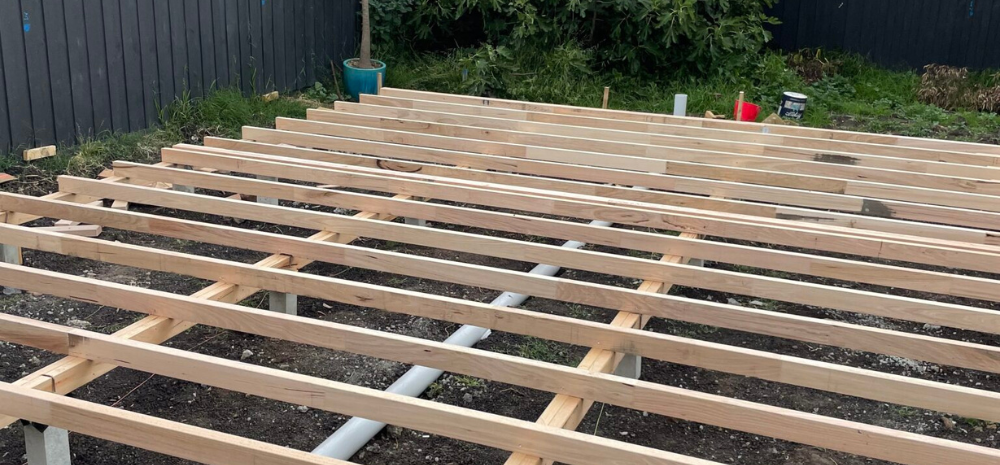
Air Circulation: Adequate subfloor ventilation allows air to flow through the space beneath the floor, carrying away moisture and preventing stagnation. This helps in maintaining a dry and well-ventilated subfloor environment.
Moisture Control: Subfloor areas are susceptible to moisture problems due to factors such as ground moisture, rainwater ingress, and condensation. Effective ventilation helps manage and control moisture levels, reducing the risk of dampness and associated issues.
Prevention of Mold and Fungi: Mold and fungi thrive in damp and poorly ventilated environments. By promoting good air circulation, subfloor ventilation helps create an inhospitable environment for these microorganisms, contributing to a healthier indoor environment.
Structural Integrity: Excessive moisture in the subfloor can lead to structural damage over time, affecting timber components such as floor joists and subfloor framing. Proper ventilation helps preserve the structural integrity of the building by reducing the risk of rot and decay.
Improving Indoor Air Quality: Subfloor ventilation can indirectly contribute to better indoor air quality by preventing the buildup of mold, mildew, and other contaminants that can negatively impact the air inside the building.